Colors
Bernedoodle Colors
Tri-color, merle, phantom, sable and more: what each Bernedoodle color is and where it comes from.
Bernedoodle colors range from the classic black, white and rust of a Bernese Mountain Dog to chocolate, red, sable and merle. A color chart is only half the story, because a Bernedoodle's coat is built from several separate pieces: a base pigment, a pattern, white markings and, sometimes, a change over time.
The sections below set out each color and marking, what makes it, and where to read more. Each one has its own page with the detail.
The Bernedoodle Colors
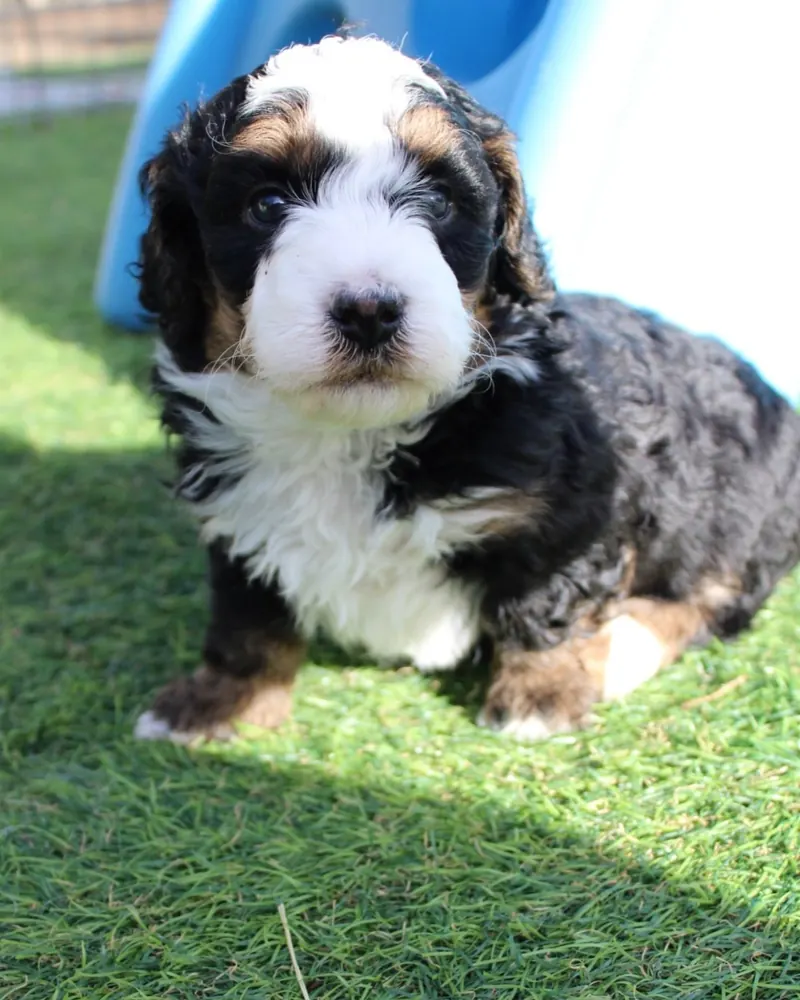
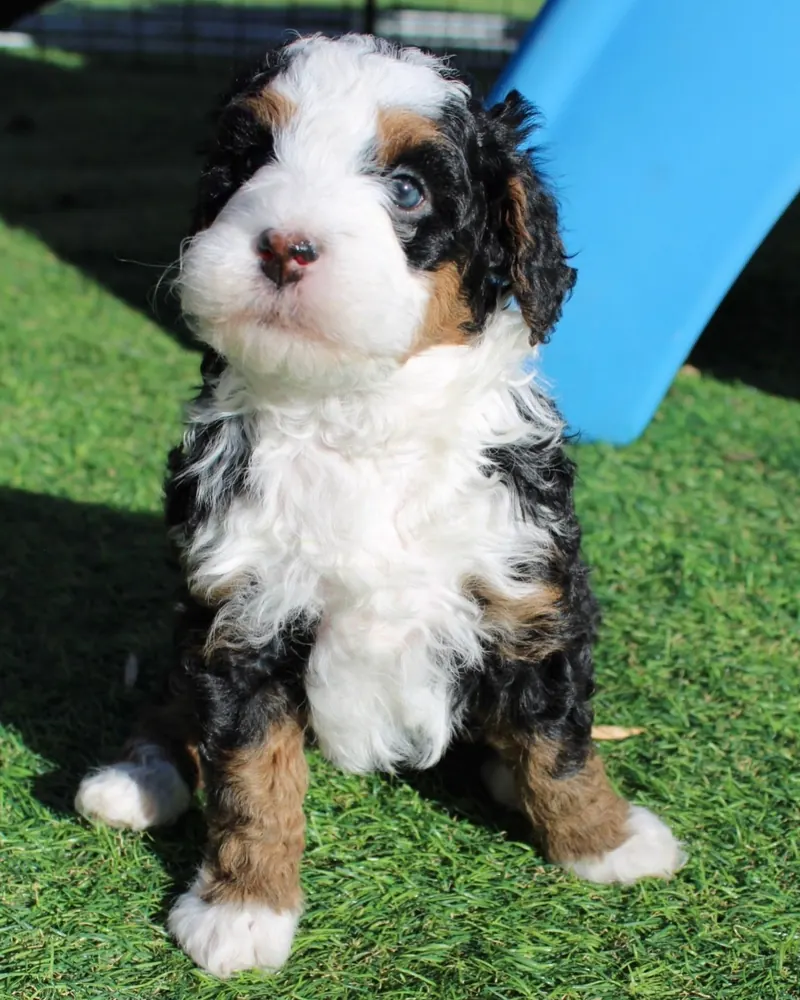
Tri-Color Bernedoodles
Puppies available now
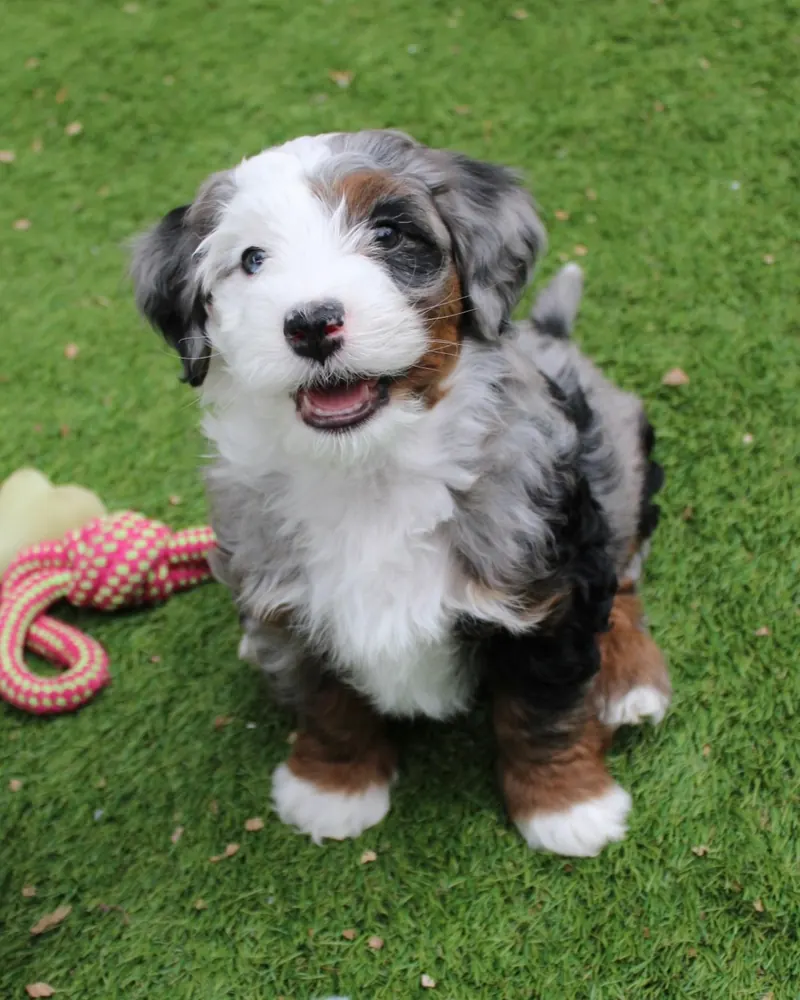
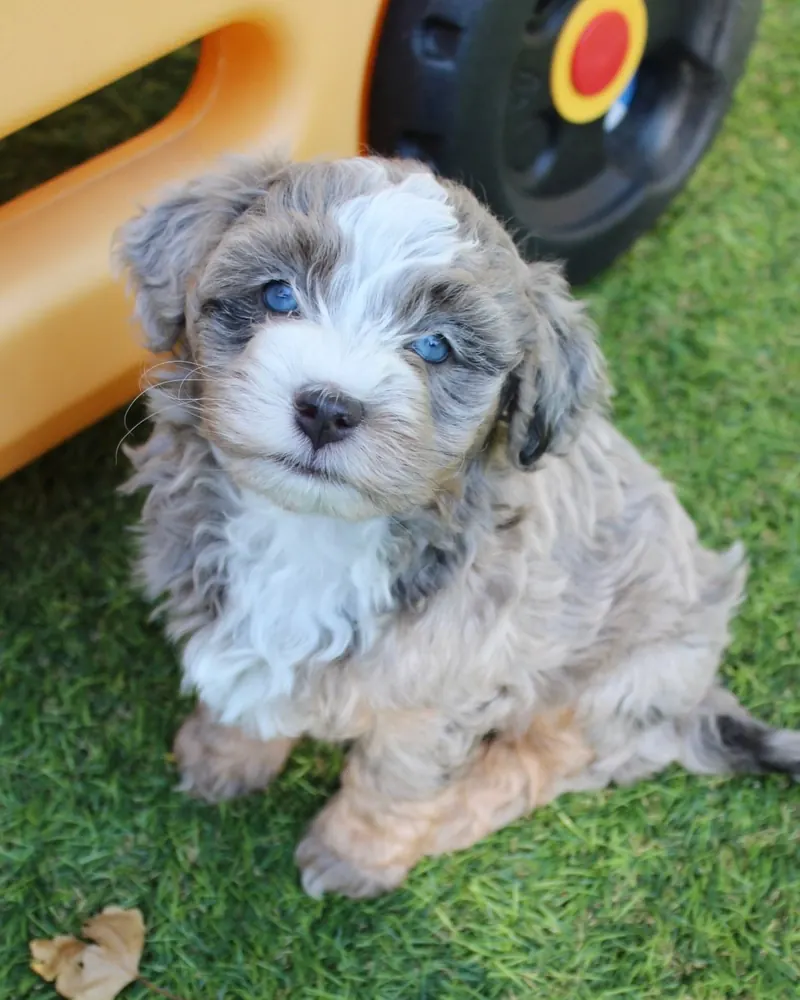
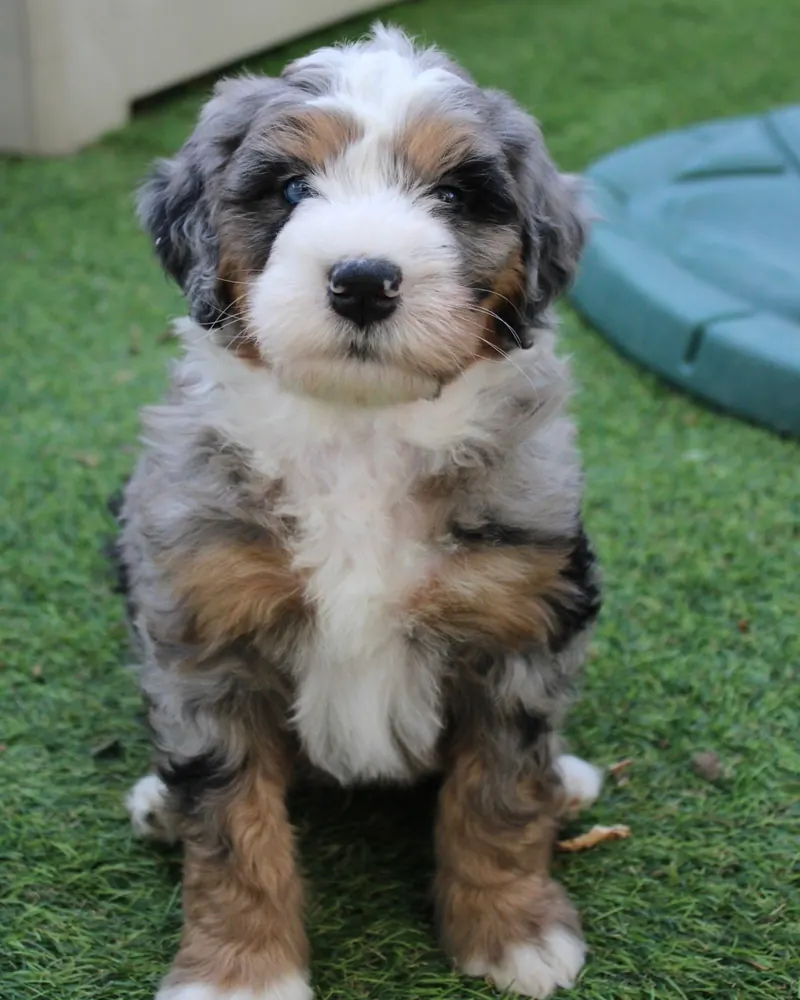
Merle Bernedoodles
Puppies available now
Phantom Bernedoodles
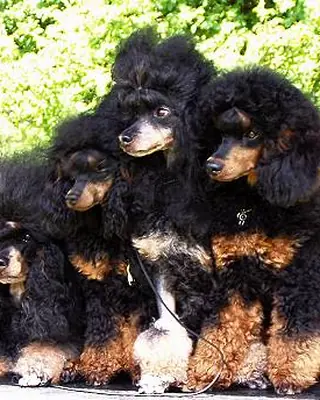
A solid color with tan points
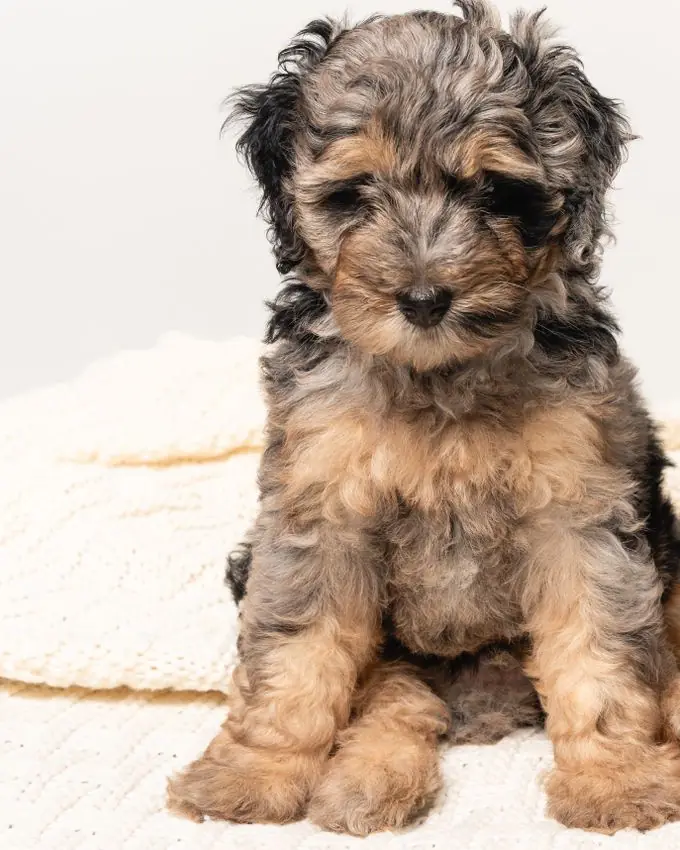
Sable Bernedoodles
Dark tips over a lighter coat
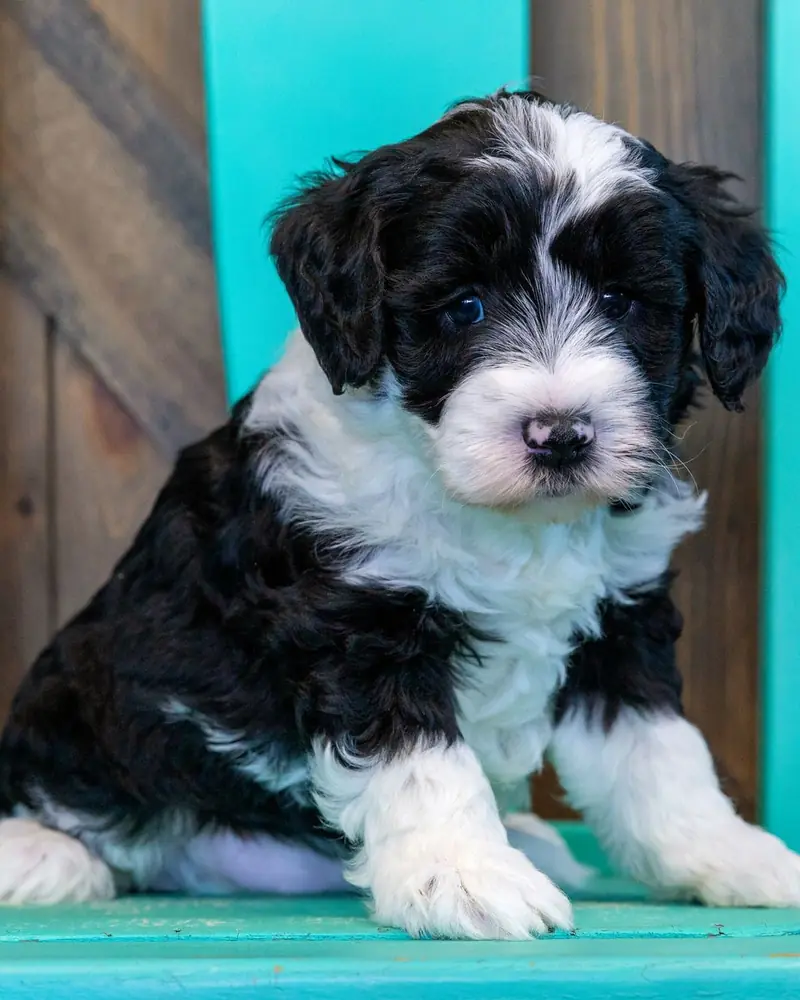
Black and White Bernedoodles
Tuxedo and black and white
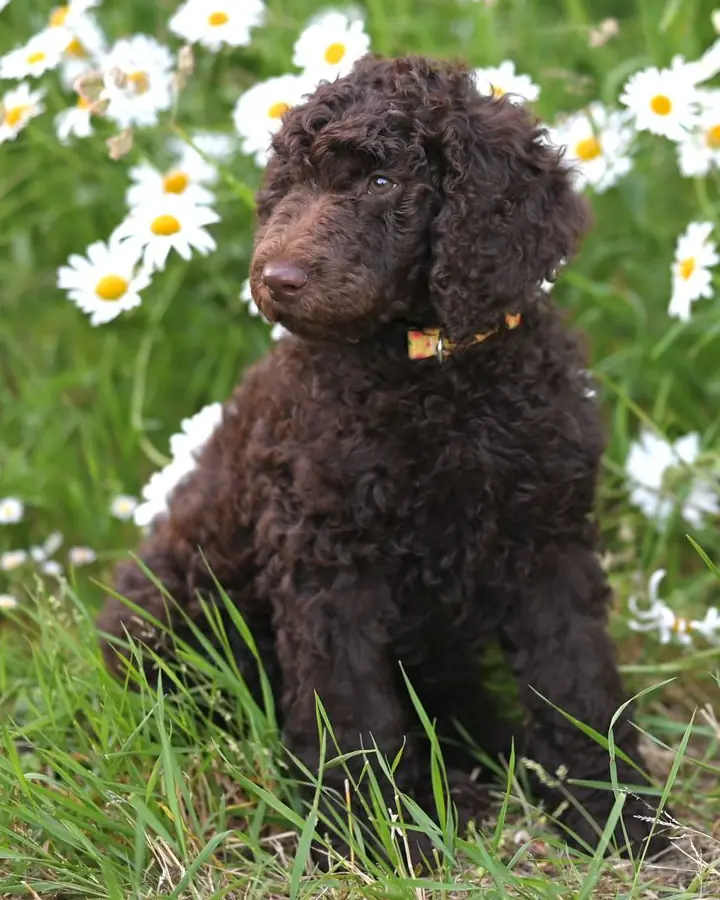
Chocolate Bernedoodles
Brown, also called liver
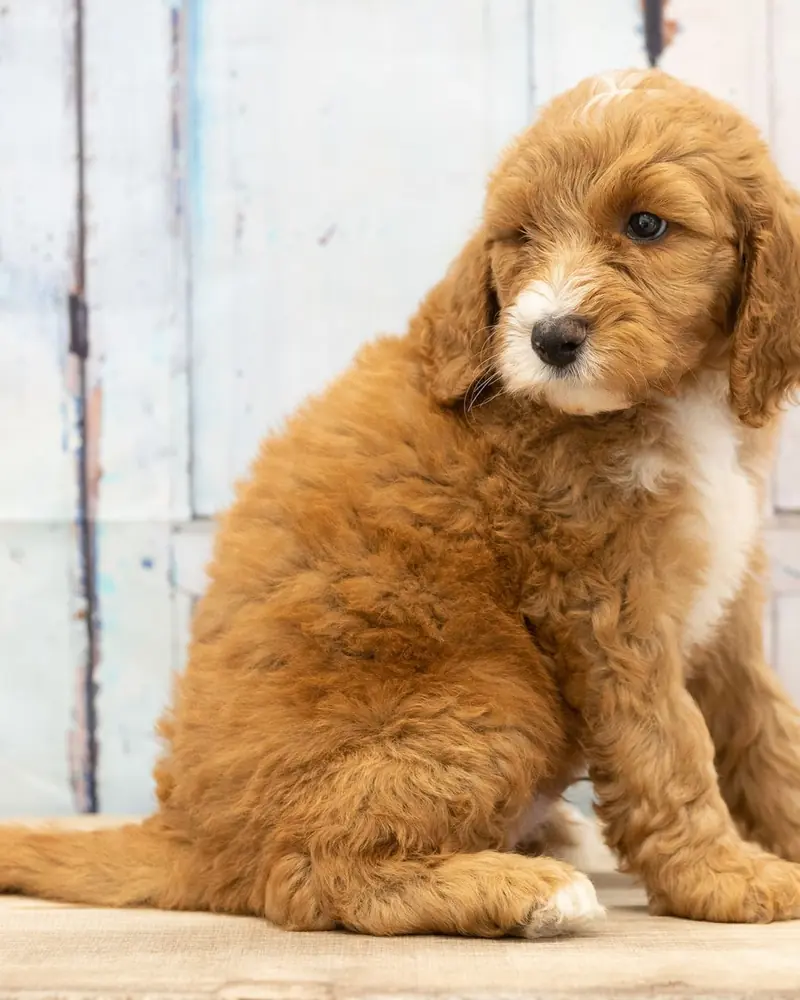
Red Bernedoodles
Red, apricot and red with white
What colors do Bernedoodles come in?
Seven groups cover most of what you will see. Pages for each are linked in the chart below.
| Color | What it looks like | Read more |
|---|---|---|
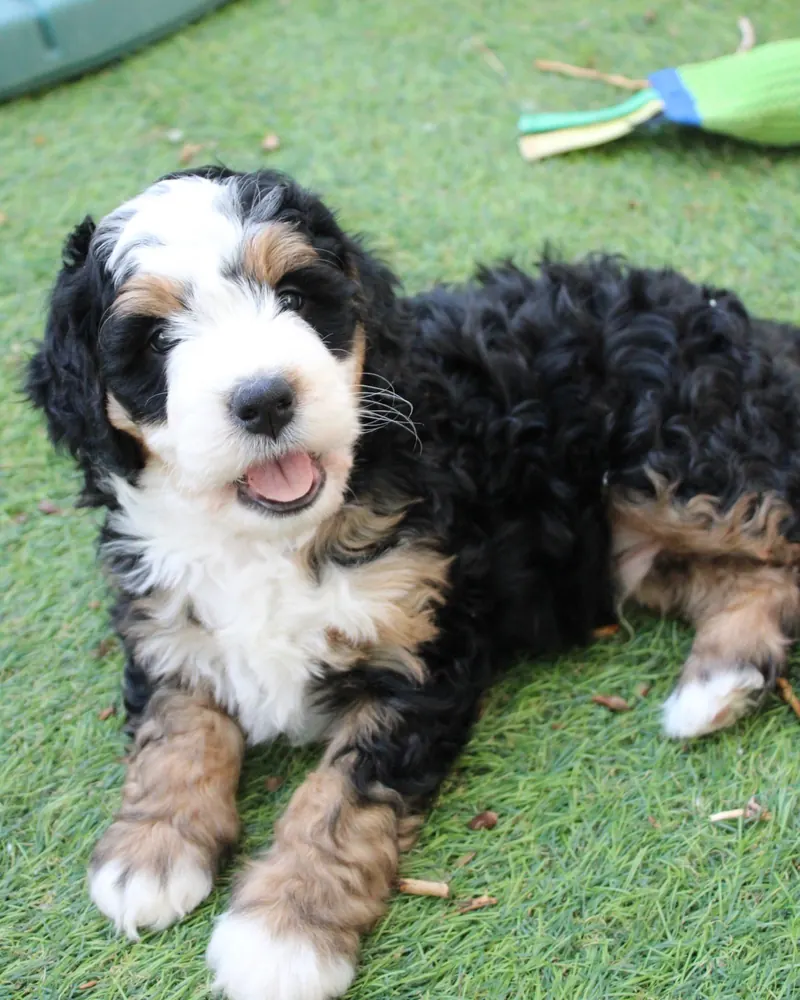
| Tri-color | Black or brown with tan points and white markings | Tri-color Bernedoodles |
| Merle | Soft patches of lighter color over a darker coat | Merle Bernedoodles |
| Phantom | A solid body with tan eyebrows, cheeks, legs and chest | Phantom Bernedoodles |
| Sable | Lighter coat with darker tips on the hairs | Sable Bernedoodles |
| Black and white | Black body with white chest, paws or face | Black and white Bernedoodles |
| Chocolate | Brown, also called liver | Chocolate Bernedoodles |
| Red | Red to apricot, solid or with white | Red Bernedoodles |
How is a Bernedoodle's color decided?
A coat is the sum of a few independent genes. One decides whether the base pigment is black or brown. One decides whether the dog can make dark pigment at all or is red all over. Another sets the pattern, such as tan points or sable. Another adds white spotting. Merle is a separate switch on top of the rest.
Because the pieces combine, one dog can be described more than one way. A dog can be chocolate and tri-color, or merle and phantom. This is why color names overlap, and why photos of two dogs with the same name can look quite different.
What do Bernedoodle markings mean?
Markings are the pattern laid over the base color. The ones you will meet most often:
- Tan points: tan on the eyebrows, cheeks, legs and under the tail. A dog with tan points and white is tri-color; without the white, it is called phantom.
- White spotting: white on the chest, paws, muzzle or blaze. A little white is common, and a lot of white gives a parti or tuxedo look.
- Sable: hairs that are lighter at the root and darker at the tip, giving a shaded look.
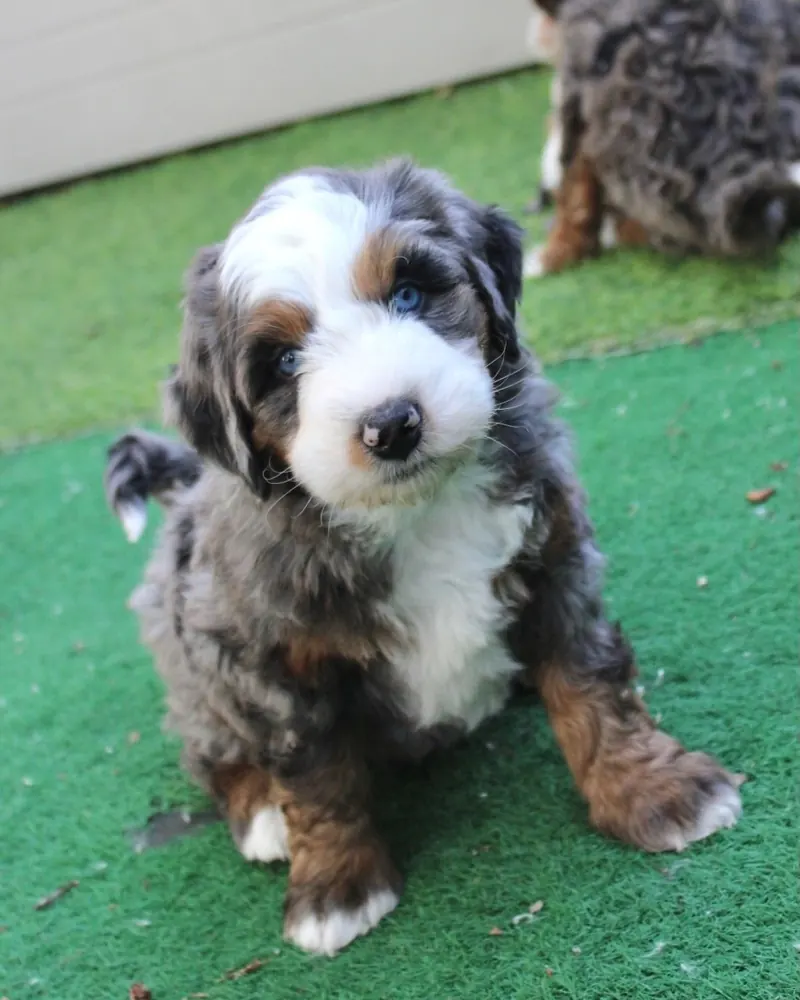
- Merle: mottled patches of diluted color, often with lighter or blue eyes.
The Bernese Mountain Dog contributes the rust and white pattern, which is why tri-color is the one most people picture first.
Do Bernedoodle puppies change color as they grow?
They can. Poodle breeders use the word clearing for a coat that lightens as the dog matures, and holding for one that keeps its first color. Black coats can drift toward gray or silver, brown coats toward a sandy beige, and red or apricot coats toward cream. The gene behind graying has not been pinned down with certainty, so there is no test that reliably predicts it for a particular puppy.
Sable puppies commonly lose some of their dark tipping. Tan points can also soften. Merle, tri-color and tuxedo patterns keep their layout, though the base shade within them can lighten. The color pages say what to watch for on each one. Coat texture and length also change, which affects how a color looks. The grooming guide explains how haircuts alter the shade you see.
Does coat color affect health or personality?
For nearly every color, no reliable evidence links it to temperament, and a dog's behavior comes down to breeding, training and daily life. The temperament guide covers what shapes a Bernedoodle's personality.
The one established health concern tied to color is merle. A dog with one copy of the merle gene has the normal merle pattern. A dog with two copies, called double merle, is linked to deafness and eye problems. For that reason merle is not bred to merle. Heavy white, especially across the head, has also been linked to hearing loss in some breeds. More general topics are in the health guide.
How do you choose a color?
Choose on the look you like and keep expectations flexible, since coats shift. Size matters more for daily life than color, so it is worth reading about mini Bernedoodles and standard Bernedoodles too. When you are ready to compare, the available puppies page shows what is ready now, and the price guide covers cost.
Bernedoodle Color Questions
01What is the most popular Bernedoodle color?
The tri-color is the one most people picture first, because it copies the Bernese Mountain Dog's black, rust and white. The tri-color page explains the pattern.
02Can Bernedoodles be two colors?
Yes. Most are described by a base color plus a pattern, such as chocolate phantom or blue merle tri-color. Each combination follows from the genes listed above.
03Do Bernedoodle colors fade?
Some do. Black can lighten toward gray or silver, and red or apricot can soften toward cream. How far a coat clears differs from dog to dog and cannot be reliably predicted from a puppy photo.
04Does Bernedoodle color affect shedding?
No link has been shown between color and shedding. Coat type, meaning how wavy or curly it is, matters far more. See the shedding guide.
05Are some colors healthier than others?
Not in general. The exception is merle, where two merle parents risk double merle puppies with hearing and eye problems.
Bernedoodle Puppies Available Now
When You Are Ready
Have a Color in Mind?
Tell us the color, size and boy or girl, and when you would like a puppy.
Phantom poodles photo: Andrea Brendemühl, Wikimedia Commons, CC BY 3.0, cropped.
